

Ordering your labels at the last minute can lead to production delays, stockouts, and compromised compliance. When deadlines are tight and regulations are becoming stricter, rushing and improvising can be costly.
Planning now for your 2027 label needs means taking control: guaranteed volumes, assured compliance, and protected deadlines. Here is a step-by-step guide on how it can be done.
How Planning Ahead Changes Everything
A label has an impact that goes far beyond the aesthetic appeal of your product. It affects your supply chain, regulatory compliance, and ability to deliver on time. An unreadable barcode, an unsuitable adhesive, or a non-compliant file can bring an entire production line to a complete standstill.
Planning your orders for the upcoming year will allow you to:
- Prevent delays during high-demand periods
- Control your costs by consolidating your orders
- Ensure compliance to avoid last-minute reprints
- Work with peace of mind alongside a partner who knows your products
Step 1: Analyzing Your Past Year
Your past orders are your best indicators. Review your 2026 data and determine:
- Actual consumption volumes, by product and size
- Times when you ran out of labels or, on the contrary, ordered too many
- The sizes, materials, and finishes that performed best, both on the shelf and in production
- Any issues with adhesion, legibility, or durability encountered during the year
This analysis lays the groundwork for reliable forecasts.
Step 2: Anticipating your Volumes and Seasonal Peaks
Summer beverages, holiday gift sets, spring launches: your demand is never consistent. Map out your 2027 calendar (new products, promotions, packaging changes, new markets) and build in a buffer for the unexpected.
By identifying high-demand periods in advance, you can submit your files well before peak time. The high season will no longer catch you off guard.
Step 3: Ensuring Your Compliance
This is where improvisation comes at the highest cost. In Canada, food labeling requirements now follow a cycle coordinated by Health Canada and the CFIA, with compliance deadlines every two years starting January 1, 2026.
Specifically, for 2027:
- The 2026 regulations, including the front-of-package nutrition label and the rules for supplemented foods, are now fully in effect. The transition period has ended: your labels must be compliant.
- The next coordinated milestone is approaching. It’s better to update your files now than to find out your labels aren’t compliant once your inventory has been printed.
Keep in mind the specific requirements for your industry or province: bilingualism, claims, alcoholic beverages, or Quebec’s marketing requirements for beer cans.
A non-compliant file can result in a costly reprint, a warning from the authorities, or even a product recall. Our expertise in Canadian and Quebec regulations helps you avoid this risk.
Step 4: Validating the Materials and Sizes You Use
Every product and environment requires the right solution:
- Pressure-sensitive labels: versatile, durable, and resistant to moisture and temperature fluctuations.
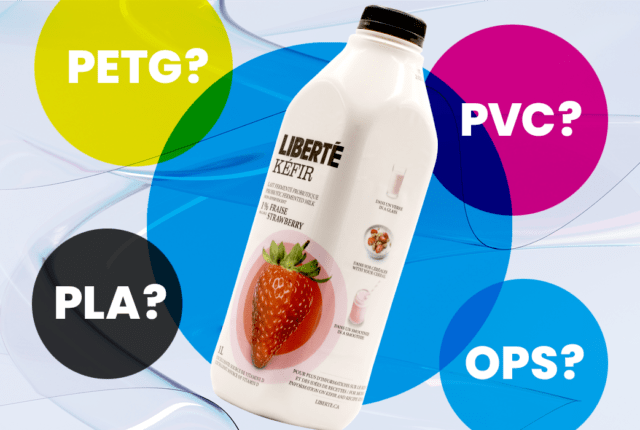
- Shrink sleeves: a 360° print area for maximum visual impact. The material (PVC, PETG, PLA, OPS) determines performance, appearance, and recyclability.
If your production is set to increase in 2027, now is the time to ensure that your labels can keep up on a larger scale, without compromising quality.
Step 5: Making Your Equipment Part of Your Plan
The value of your labels is directly linked to the quality of the equipment used to print and apply them. A poorly maintained printer carries the risk of defective prints, costly downtime, and delayed shipments.
Take advantage of your annual planning to:
- Schedule preventive maintenance for your industrial printers (Zebra, Toshiba, CAB, Epson, and others)
- Assess whether new equipment would increase your autonomy and speed
- Confirm that your label sizes are compatible with your automated systems
Step 6: Planning a Strategic Reserve
Once you’ve estimated your production volume, give yourself some room to maneuver. Set aside a buffer to accommodate unexpected orders and sudden spikes in demand, without ordering excess inventory. Consolidating your orders rather than dealing with one emergency after another will also help you control your costs.
Step 7: Relying on the Right Partner
Everything becomes easier with a partner who understands your business. At IMS, we provide comprehensive support: analyzing your needs, designing and printing your labels and sleeves, selling and installing equipment, and providing maintenance and follow-up. A single point of contact, from the digital file to the shelf.
A proudly Canadian company for nearly 70 years, we design solutions for markets here and abroad that comply with current standards and are tailored to your operations. Expert advice. Impactful solutions.
Ready for 2027?
Assess your production volumes, make sure you are compliant, and contact our team before the next peak period. This will give you, and your products, a head start.